Fall 2026 Events
All readings are free, with no reserved seating; seating is limited and will be first come, first served. Readings start at 7pm, at 192 Books, 192 10th Ave. Archived recordings of readings are available on Youtube.
September
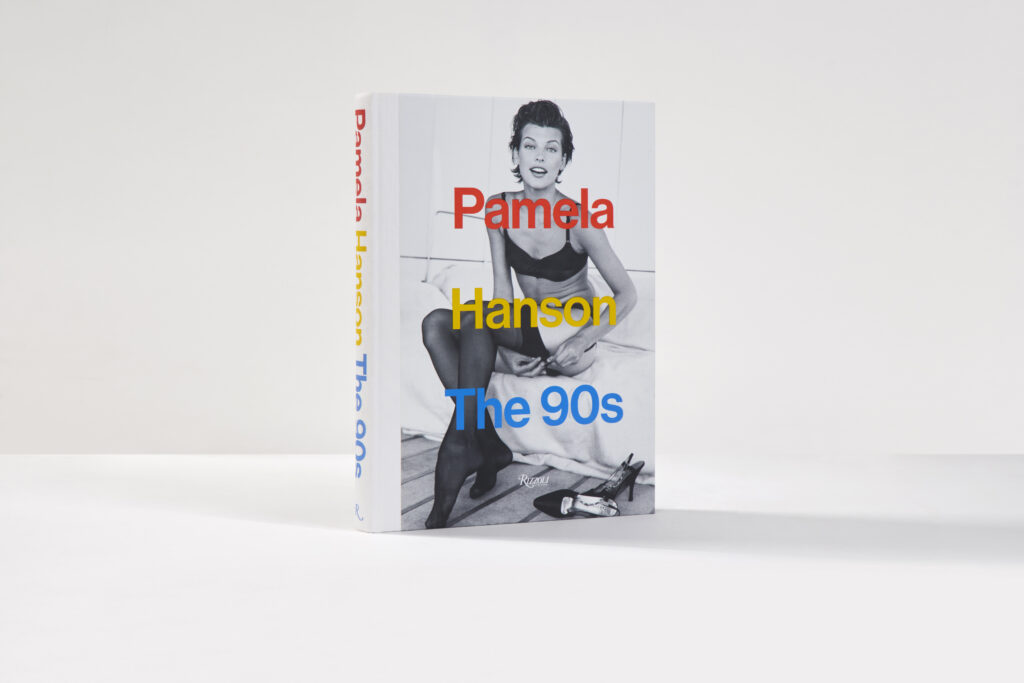
Pamela Hanson: The 90s: Quintessential nineties images, taken from editorials for fashion magazines as well as many never-before-seen outtakes of behind-the-scenes candid moments, constitute this book by Hanson, who is known for her unique female gaze and famous for capturing the essence of youth in her vibrant and highly energetic images of beautiful girls having fun. Texture, light, and emotion play a pivotal role in her iconic documentary-style work. The book features intimate photographs of her muses and the top supermodels of the era, including Kristen McMenamy, Christy Turlington, Carla Bruni, Stephanie Seymour, Eva Herzigová, Milla Jovovich, Linda Evangelista, and many more. This is the first major book of Hanson’s published in the last twenty years, and it presents a nostalgic time capsule of one of the most fetishized decades of fashion.
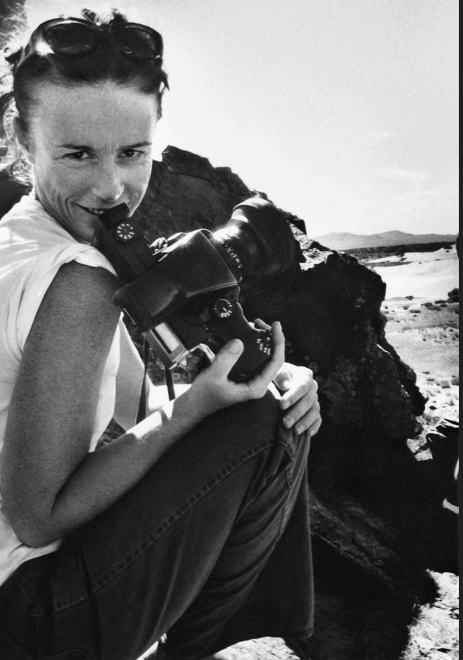
With over forty years of experience in the fashion industry, Pamela Hanson is a world-renowned photographer whose work has been regularly featured in: Vogue, Elle, Harper’s Bazaar, Violet, Glamour, Marie Claire, Vanity Fair, InStyle, GQ, Allure, D Magazine, and Town and Country. Other clients include: Dior, Ralph Lauren, Supreme, Tommy Hilfiger, JCrew, L’Oreal, Lancome, Maybelline, Halston, Keds, Max Mara, Emporio Armani, Charlotte Ronson, Ann Taylor, Avon, Coach, Pantene, and Lingua Franca.
Pamela has directed several television commercials including Estee Lauder, L’Oreal, Johnson and Johnson, Elizabeth and James, Zenni Optical, Warby Parker, Stride Rite, Lubriderm and the CFDA. Pamela also directed a series of television spots to raise funds for finding a Juvenile Diabetes cure and has received an award from the Association of Independent Commercial Producers (AICP) for her “Family Stories” short documentary, a public service announcement collaboration with The Partnership at Drugfree.org.
In September of 2001, Pamela Hanson released Girls, a 200+ page photo book filled with personal and professional work, color and black and white images, which has had worldwide success. She released her second book, Boys, in the spring of 2006. Her most recent book Private Room, a series of nude and semi-nude photographs of 8 different women photographed at Lafayette House between 2012 and 2014, was released in the Fall of 2017 as a celebration of female beauty and confidence. Her retrospective book entitled Pamela Hanson: The 90s was released in 2025 and achieved worldwide success.
Pamela Hanson was born in London and grew up in Geneva. She was educated at the American school in Lugano, Switzerland. She later attended the University of Colorado where she pursued her studies in fine arts.
Pamela Hanson has two sons, Nicky and Charlie, and currently resides in New York City with her long-time partner Jaime.
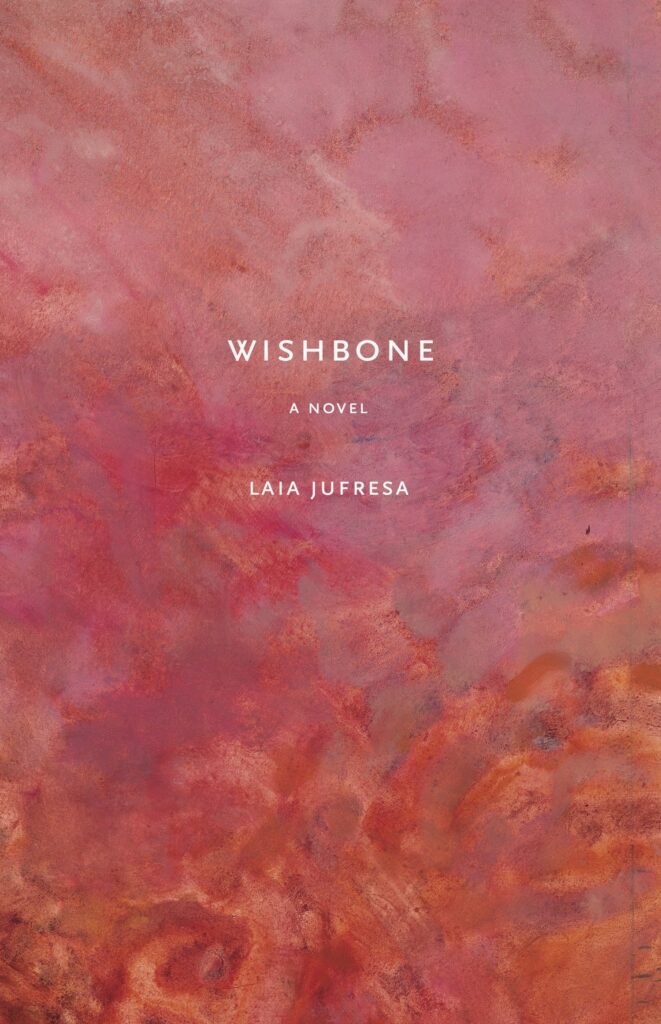
Tor Sima is the founder of the International Museum of Color in Oaxaca. Vica Luft is a secretary and single mother in Edinburgh. Disparate as their lives are, they mirror and inform one another in striking ways: an early trauma, a shared lover, an affinity for the octopus. Moving backward in time across two decades and seven cities, Wishbone quietly unravels what ties them together and what sets them apart. This is a captivating story about motherhood and friendship, art and commerce, selfhood and loss; about the parts of us that go missing when a loved one disappears, and the tentacular bonds forged by the families we create.
Laia Jufresa’s first book written in English, Wishbone is dreamy and precise, insightful and thrilling: a work of lived-in magic with a colorful cast of irresistible characters, a dazzlingly inventive structure, and a stunning final revelation.
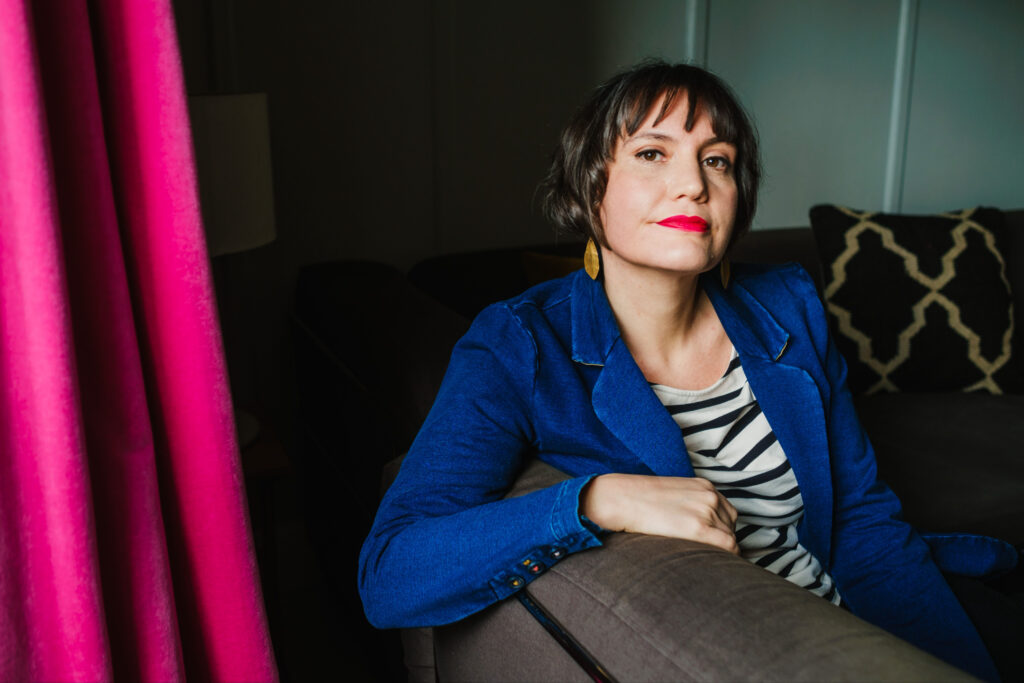
Laia Jufresa is a Mexican author based in Edinburgh. She is the author of the widely acclaimed novel Umami and the memoir Veinte, veintiuno. In 2017 she was named one of the Bogotá39, a list of Latin America’s outstanding writers under forty. Her work has been translated into a dozen languages and appeared in McSweeney’s, Vogue, and El País, among others. Wishbone is her second novel.
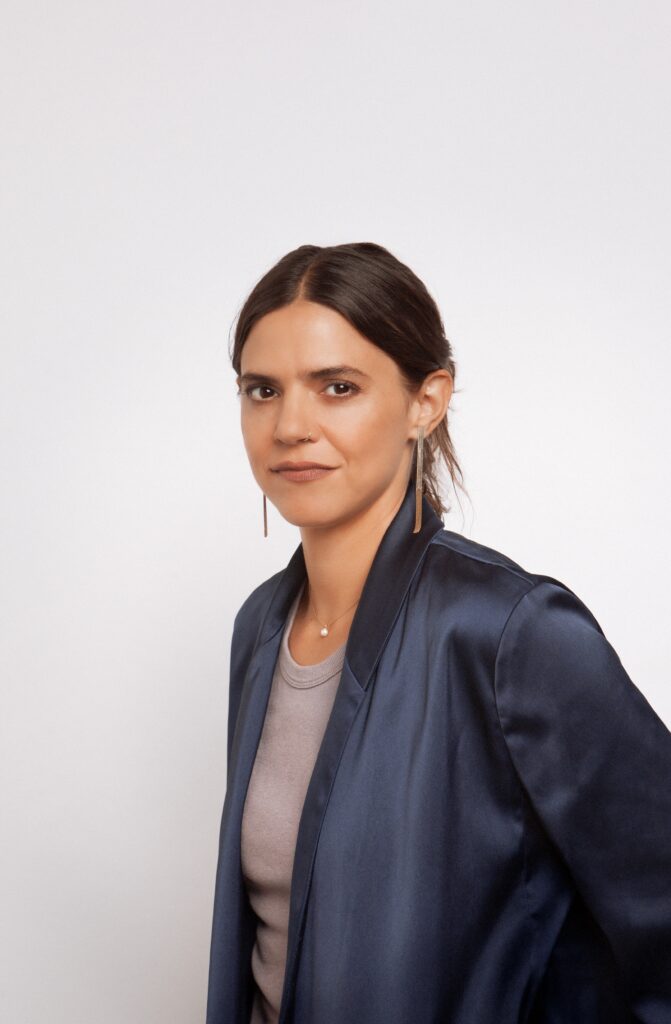
Valeria Luiselli is an acclaimed writer of both fiction and nonfiction. She is the author of Sidewalks, Faces in the Crowd, The Story of My Teeth, Tell Me How It Ends and the international bestseller Lost Children Archive. Her most recent novel, Beginning Middle End, was released this year to critical and commercial success. She is the recipient of a 2019 MacArthur Fellowship and the winner of two Los Angeles Times Book Prizes, an American Book Award, the Folio Prize, the Carnegie Medal and the 2021 International Dublin Literary Award. Her work has been translated into more than thirty languages. She lives in New York City.
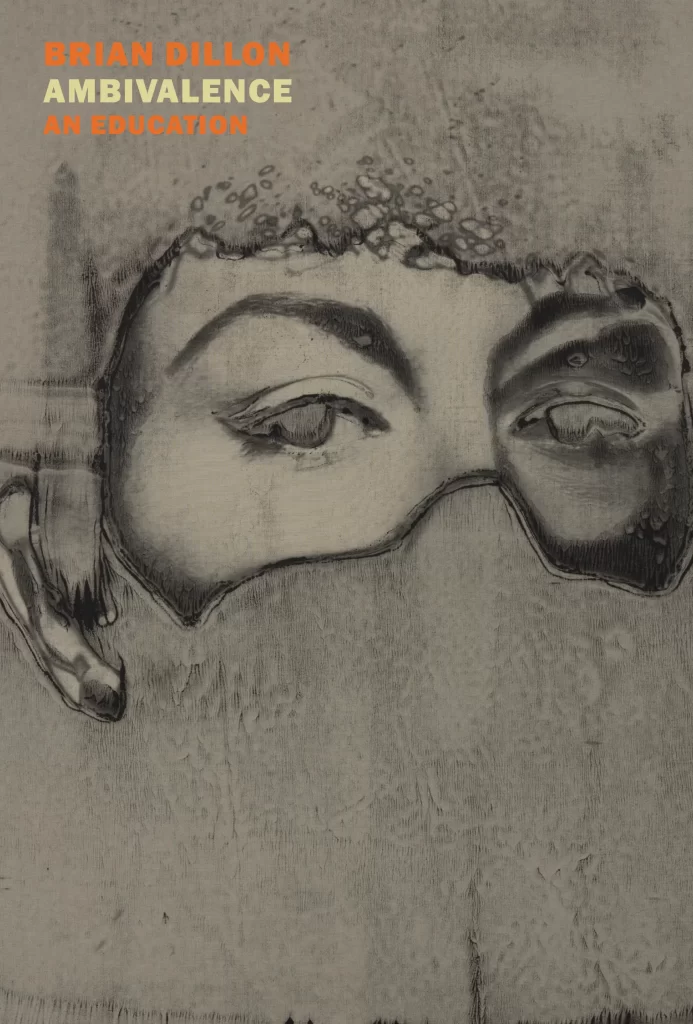
When Brian Dillon was sixteen his mother died, and he stopped caring about school. While he courted failure, his real education was going on elsewhere: with books, music, films, and television. When against all odds he made it to college, his head was already full of avant-garde writing, art, and ideas. Could he live up to the hopes and dreams he attached to culture? Halfway through college his father died, and the stakes of Dillon’s education seemed even higher.
Ambivalence is a memoir of the author’s native city of Dublin in the 1980s and ’90s, a portrait of the author as a young man, and an intimate defense of radical thinking about literature and life. In vivid, present-tense passages, Dillon describes his first encounters with writers such as Virginia Woolf, Walter Benjamin, Roland Barthes, and Jacques Derrida. He recalls being seduced by androgyny, ambiguity, and ambivalence on the page and in the life he hoped his reading would transfigure.
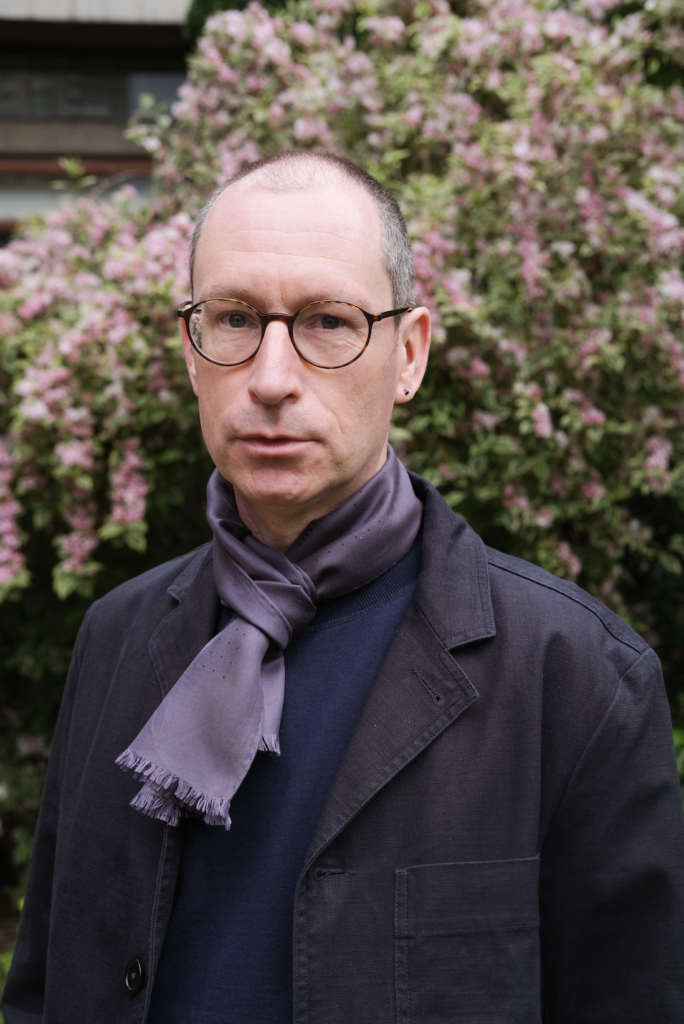
Brian Dillon’s books include Affinities, Suppose a Sentence, and Essayism (all published by New York Review Books). His writing has appeared in The Guardian, The New York Times, the London Review of Books, The New Yorker, The New York Review of Books, frieze, and Artforum. He lives in London.
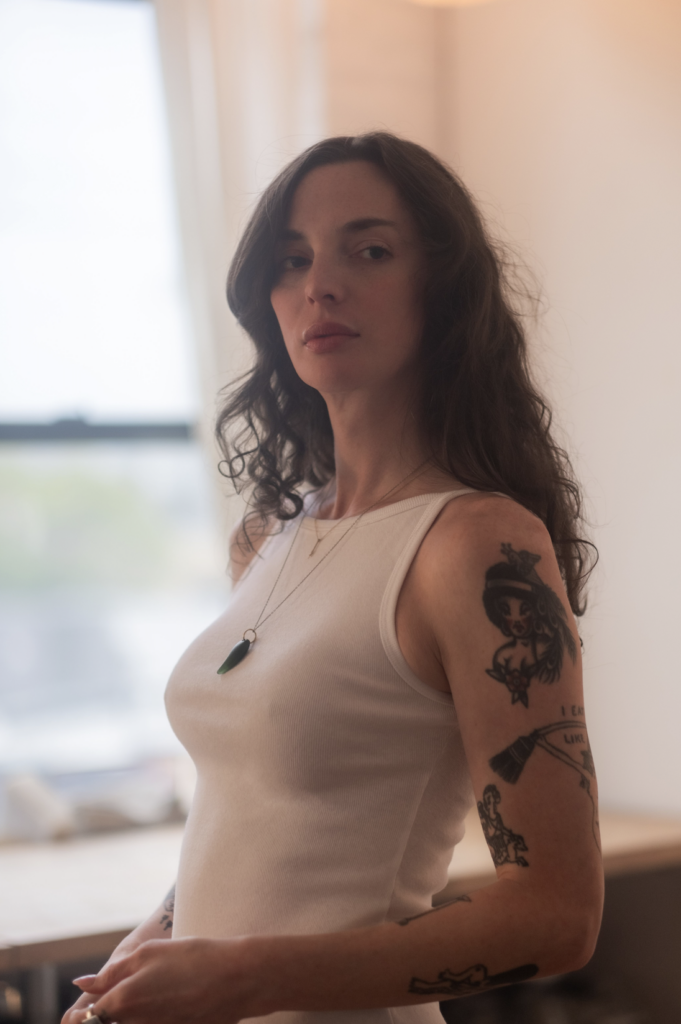
Jamie Hood is the author of Trauma Plot: A Life, the hybrid pandemic diary how to be a good girl, and two forthcoming books, one an experimental dissection of sex, non-monogamy, and an annihilative relationship, the other a novel. She has published work in many places, some even prestigious. She lives in Brooklyn.
October
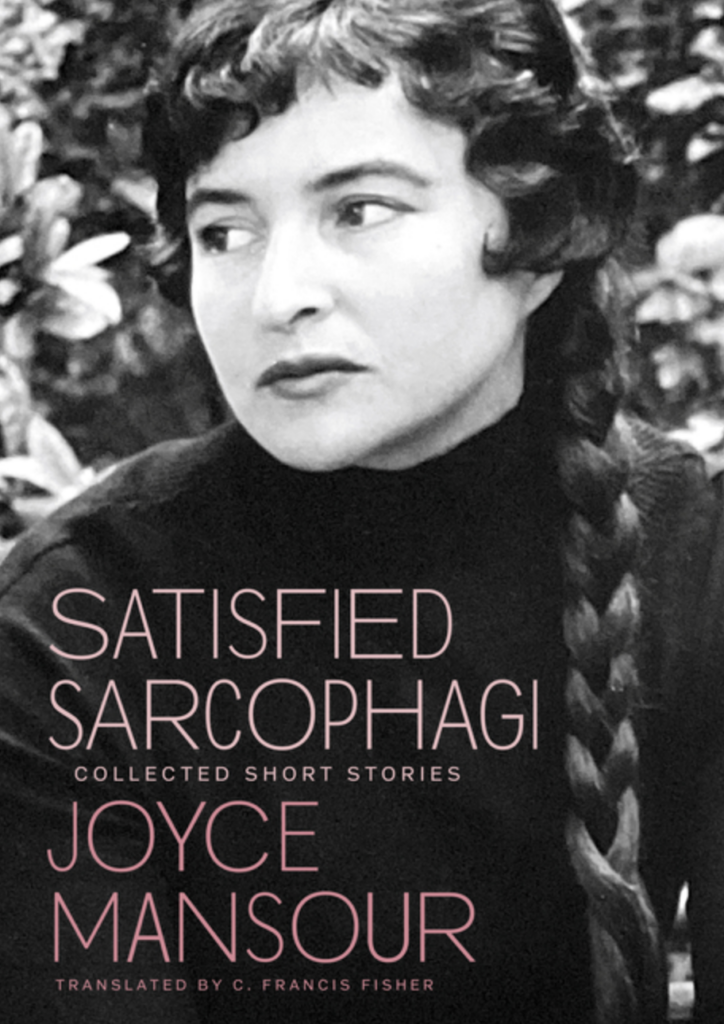
Egyptian exile Joyce Mansour was one of the most important writers to join André Breton’s Paris Surrealist group after the Second World War. This exciting follow-up to City Lights’ acclaimed selection of Mansour’s poems (Emerald Wounds, 2023) is a milestone in the ongoing rediscovery of one of the most powerful voices of 20th-century Surrealism. Known during her lifetime primarily as a poet, Mansour also published a small but significant body of prose. Satisfied Sarcophagi collects her complete short stories, drawing from her two collections published in France, Les Gisantes Satisfaits (1958) and Ça (1970).
Mansour portrays a universe of constant transformation and constant violence, weaving an eroticized surrealist texture from unsettling areas of the psyche, replete with Sadean excess, incestuous relations, and her usual complement of bodily fluids. In “Mary, or the Honor of Serving,” the protagonist endures a series of grotesque events, deciding to remain with her murderous lover rather than escape to a banal bourgeois life. “Cancer” depicts a boy’s obsession with an old woman’s hump, which threatens to subsume her. “The Tip” and “Infinitely . . . on the Lawn” explore oedipal struggles, the one featuring a gender-switching protagonist caught between the family maid and his mother, the other a woman and her mother sharing the same lover. Other stories like “Dolman the Evil” and “Sunday Shakes” concern demonic beings of uncertain origin. With Satisfied Sarcophagi–brought into English by noted Mansour translator C. Francis Fisher–Joyce Mansour rightly claims her place as a take-no-prisoners bad-girl progenitor of a growing body of women’s writing known in the 21st century as “fantastic/erotic horror.”
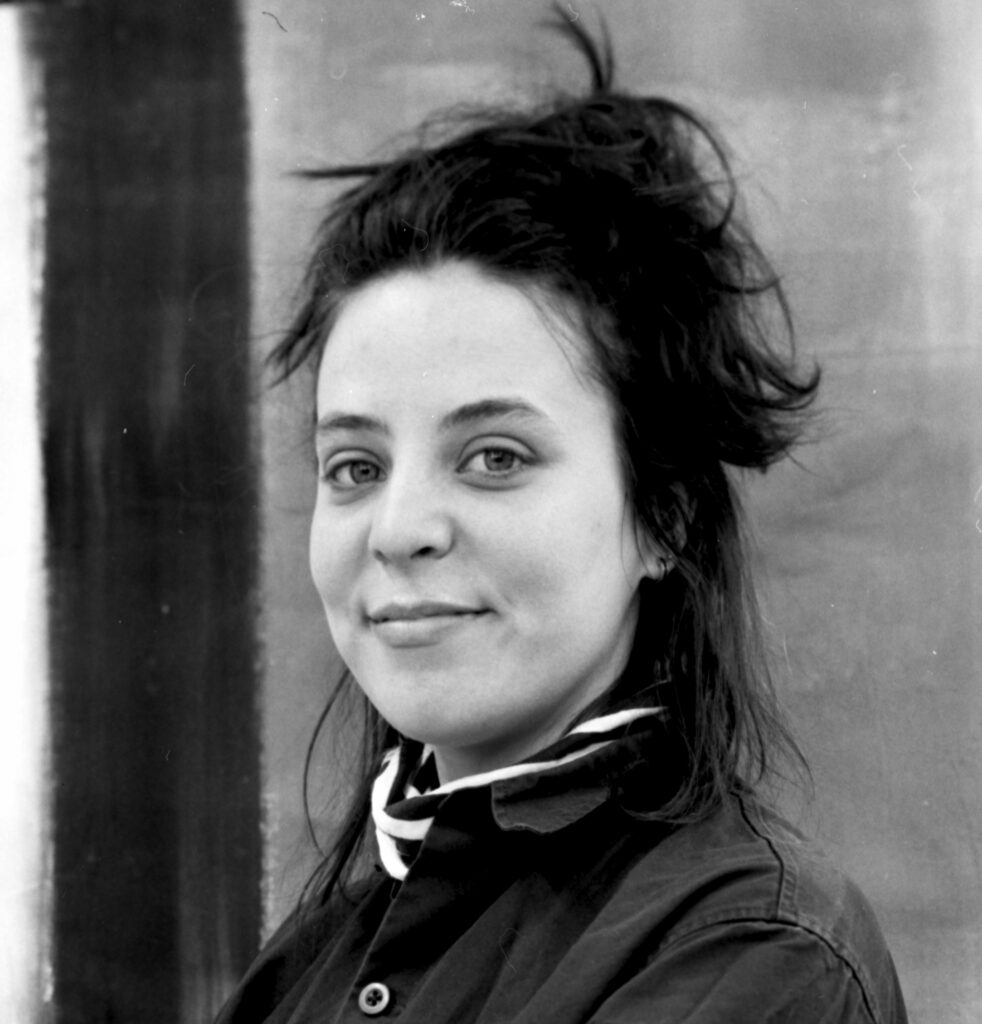
C. Francis Fisher is a poet and translator. She is the translator of two volumes of Surrealist Joyce Mansour’s work: In the Glittering Maw: Selected Poems appeared with World Poetry Books in 2024 and Satisfied Sarcophagi: Collected Short Stories came out with City Lights Summer 2026. Her first poetry collection, Fresh Hell, will come out with Four Way Books in 2028. She has been supported by residencies and fellowships from Yaddo, the Millay Colony, and Bread Loaf Writers’ Conferences.
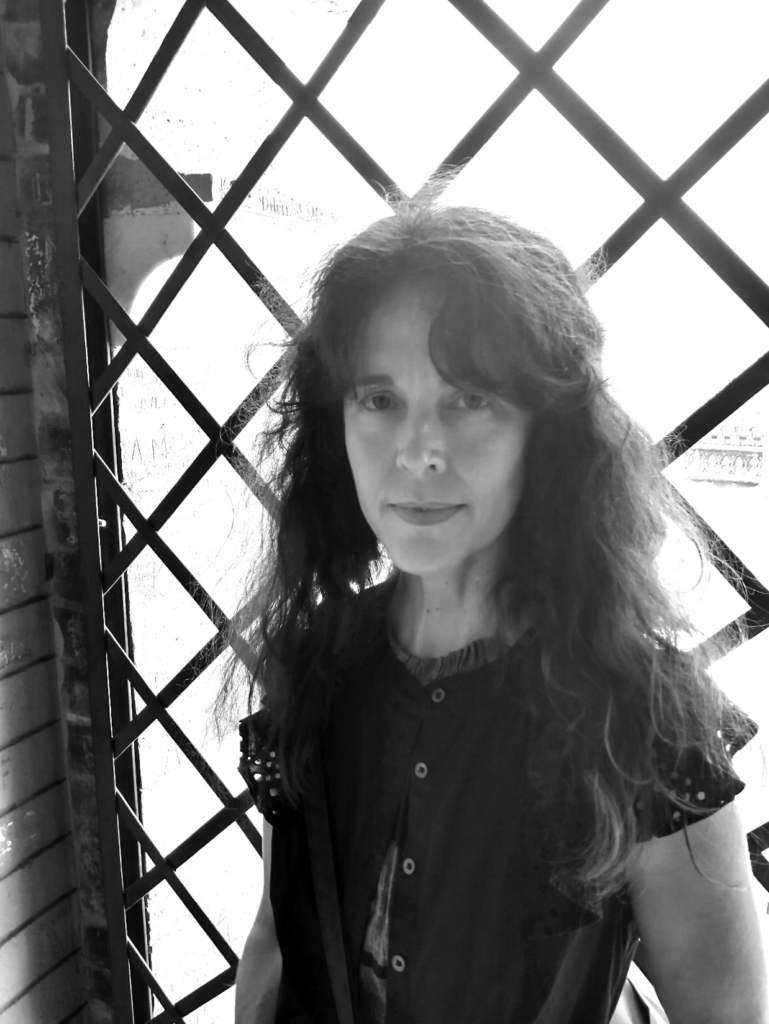
Karla Kelsey is the author of seven books, most recently the book-length poem On Certainty (Omnidawn, 2023); Of Sphere, published by Essay Press in 2017; and the poet’s novel, Transcendental Factory: For Mina Loy, released byWinter Editions in 2024. She is also the editor of Lost Writings: Two Novels by Mina Loy (Yale University Press, 2024). Recent writing can be found in Conjunctions, Denver Quarterly, and Annulet. The recipient of a Fulbright Fellowship, Karla has taught in Budapest and is currently on the faculty of Susquehanna University.
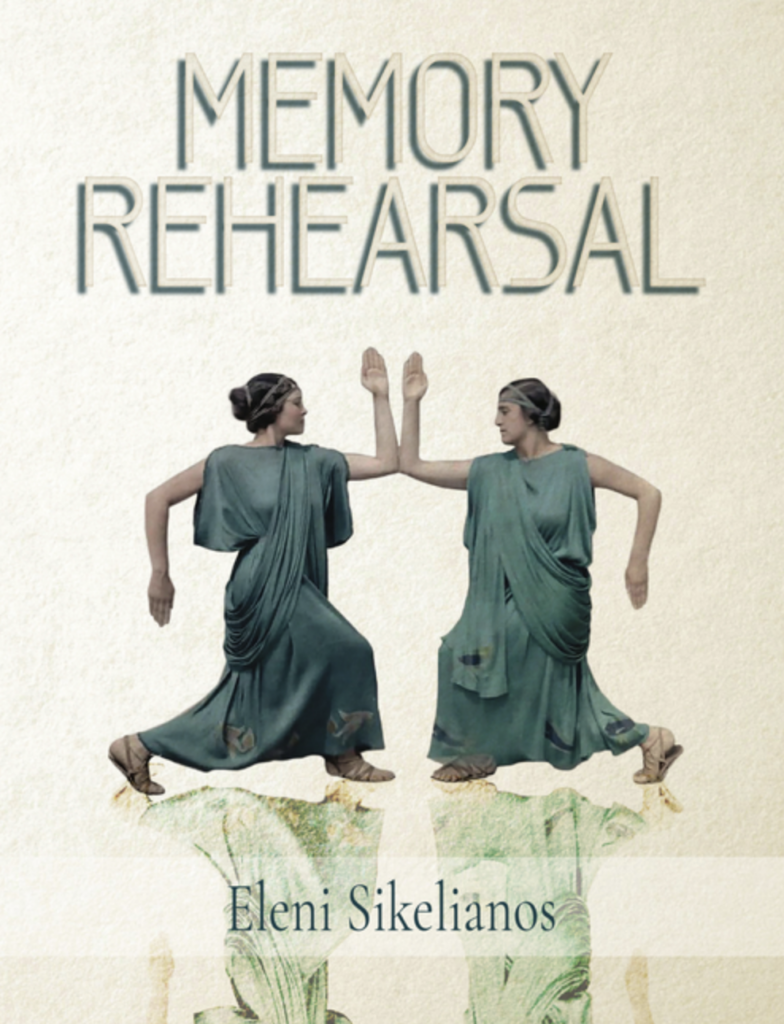
A genre-busting encounter between a poet and her ancestral past documenting a startling intersection of queer history, ancient theater, Utopian visions, and modern poetry.
In 1901, Eva Palmer abandoned her life as a privileged New York socialite, moving to Paris with her lover, the writer, and salonist, Natalie Barney. The two Americans became the center of a wild tangle of lesbian love affairs and backyard performances based in an intentional reimagining of Sappho’s work and life. This hotbed of early European modernism saw in the ancient past the possibility for sexual and artistic emancipation, especially for lesbian women.
his is the third book in a trilogy of hybrid memoirs in which Sikelianos reckons with a family shaped by mental illness, homelessness, and addiction. Grappling with knots of personal and broader histories, she performs a powerful act of recovery, re-situating herself by claiming her lineage.
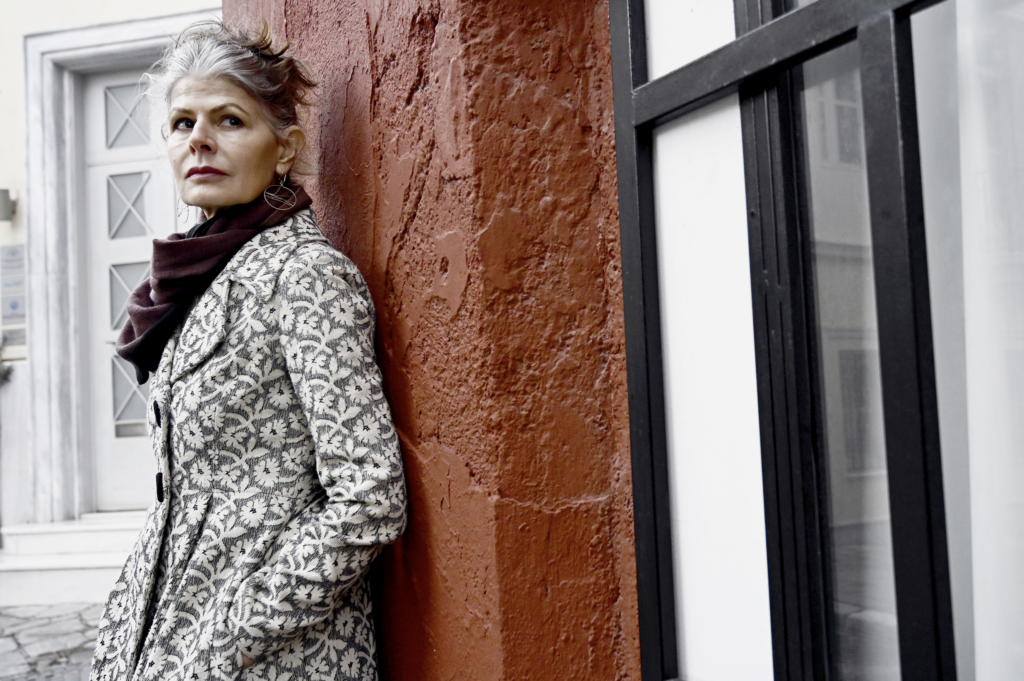
Born into a family of tree workers, bohemians, poets, ne’er-do-wells, visionaries, and smalltime sort-of hustlers, Eleni Sikelianos is a poet, writer, collaborator, and “master of mixing genres.” As a student of the poets of Naropa, she is a lineage-holder in the Outrider poetics family tree. Deeply engaged with ecopoetics, her work takes up urgent concerns of environmental precarity and ancestral work. She has published ten books of poetry (most recently, Your Kingdom, 2023) and two unclassifiable hybrid works, sometimes called nonfiction, sometimes memoirs, sometimes fiction: The Book of Jon and You Animal Machine. Among other honors, she has been awarded two National Endowment for the Arts fellowships, a Fulbright Artists fellowship, and a New York Foundation for the Arts Award in nonfiction. She grew up in Goleta, California, and now lives in Providence, Rhode Island.
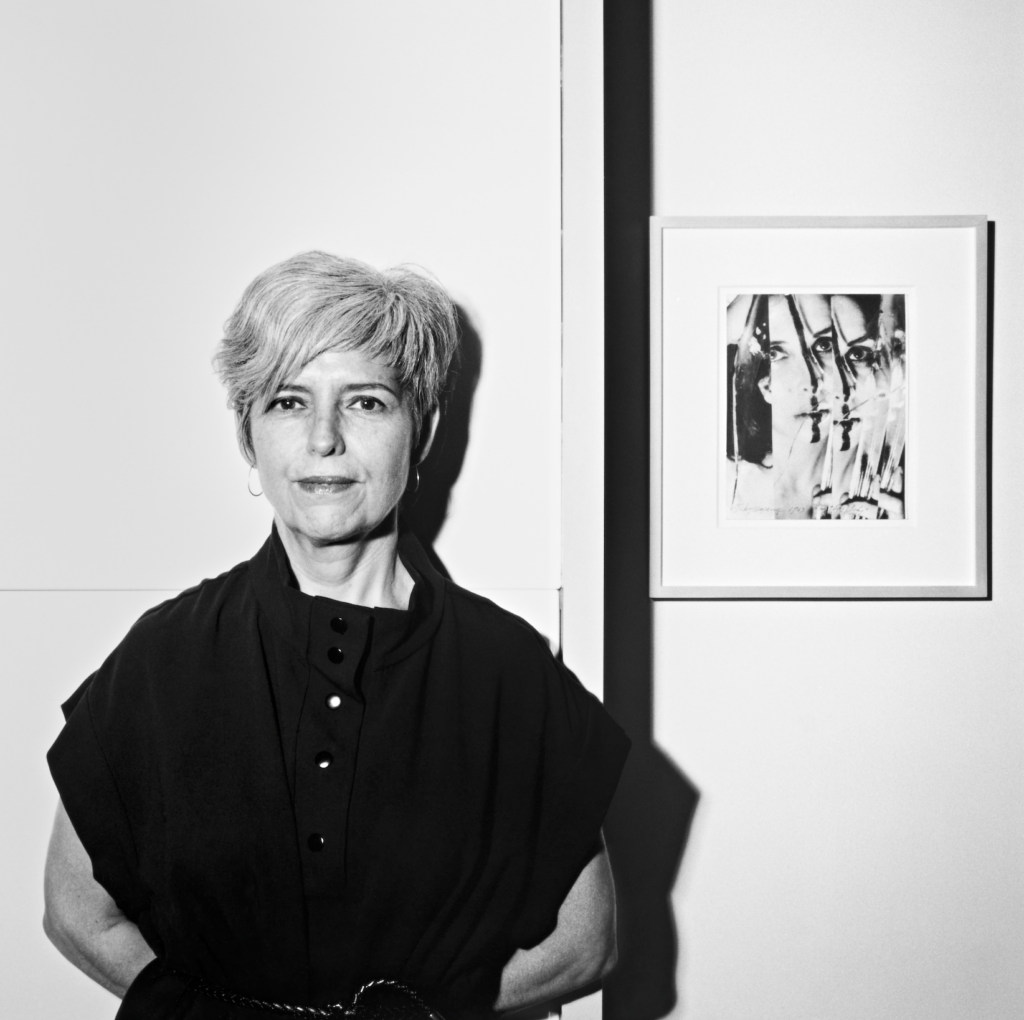
Mónica de la Torre‘s seven poetry books include Pause the Document, Repetition Nineteen, The Happy End / All Welcome, and two collections in Spanish published in her native Mexico City. Among other anthologies, she co-edited Women in Concrete Poetry 1959–79. She is the recipient of the 2022 Foundation for Contemporary Arts C.D. Wright Award for Poetry and a 2022 Creative Capital grant. She teaches poetry and translation at Brooklyn College.
November
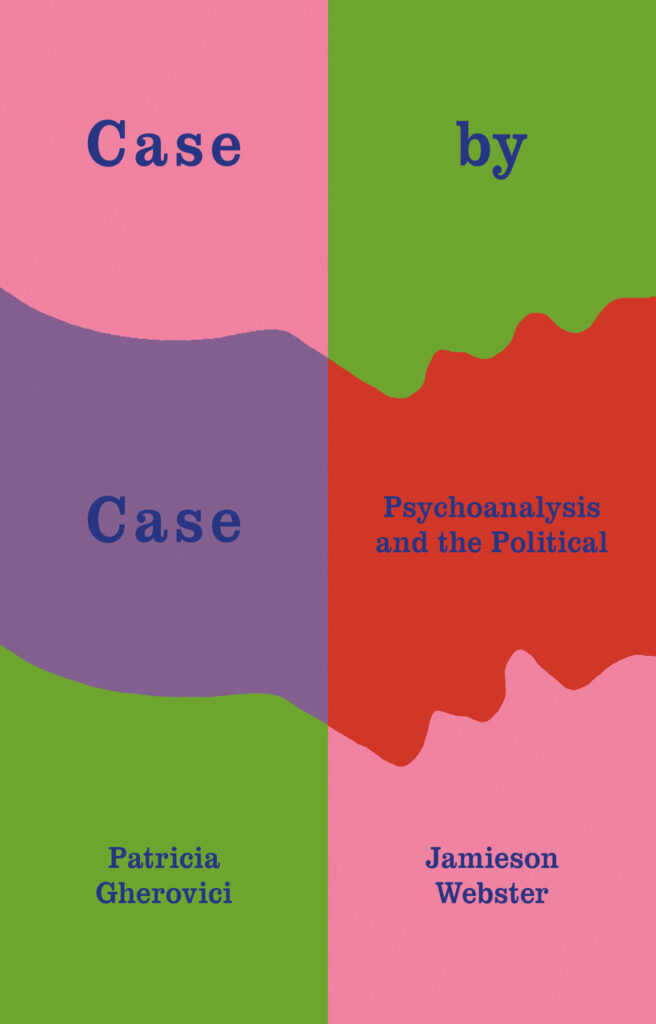
Freud’s ‘talking cure’ and its offshoots are more widespread today than ever. But as the divisive issues of our time grow more urgent, a contentious question persists: must psychoanalysis remove itself from politics altogether in order to be effective? Or is it inherently political? Specific disagreements about how clinicians should or shouldn’t engage with imperialism, violence, race, and gender identity point to the broader question of where politics is situated in our psychic life. Is it on the periphery – a symptom or displacement – or right at the heart of the matter?
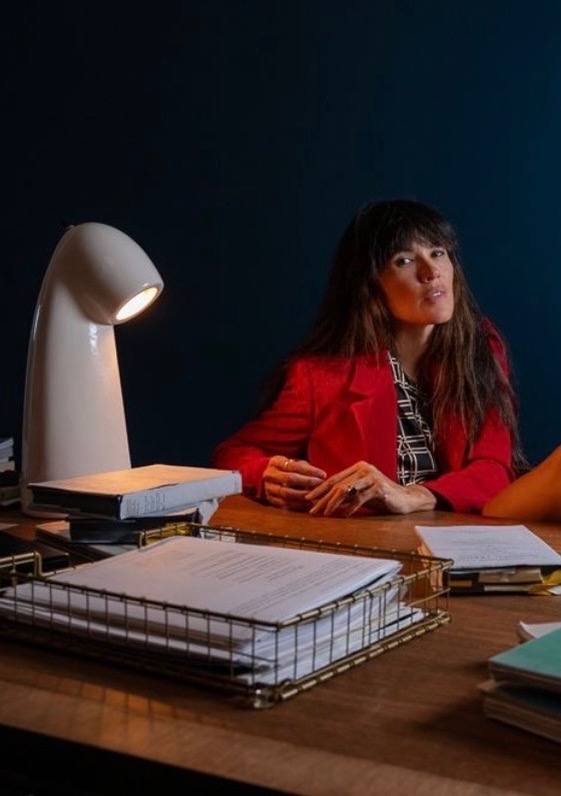
Jamieson Webster is a psychoanalyst in private practice in New York City. She is the author of On Breathing (2025), Disorganization & Sex (2022), Conversion Disorder: Listening to the Body in Psychoanalysis (2018), and, with Simon Critchley, Stay, Illusion! The Hamlet Doctrine (2013). She teaches at the New School for Social Research.
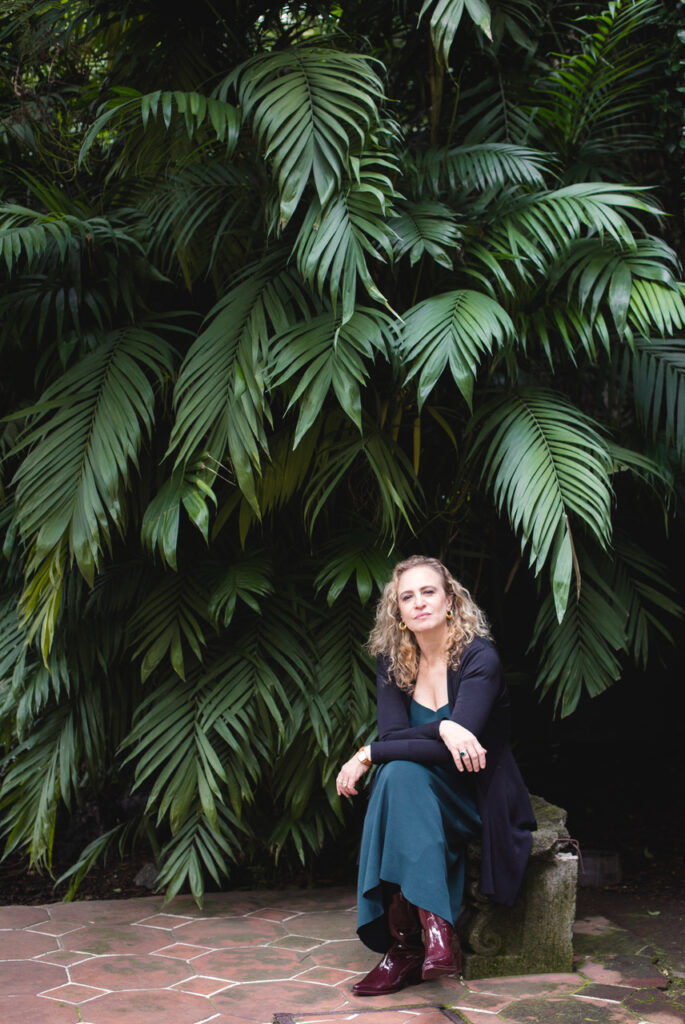
Patricia Gherovici is a psychoanalyst, analytic supervisor, and recipient of the Sigourney Award for her clinical and scholarly work with Latinx and gender variant communities. Her books include The Puerto Rican Syndrome (2003), Please Select Your Gender: From the Invention of Hysteria to the Democratizing of Transgenderism (2010), Transgender Psychoanalysis: A Lacanian Perspective on Sexual Difference (2017), and Bodies to Wear (2025).
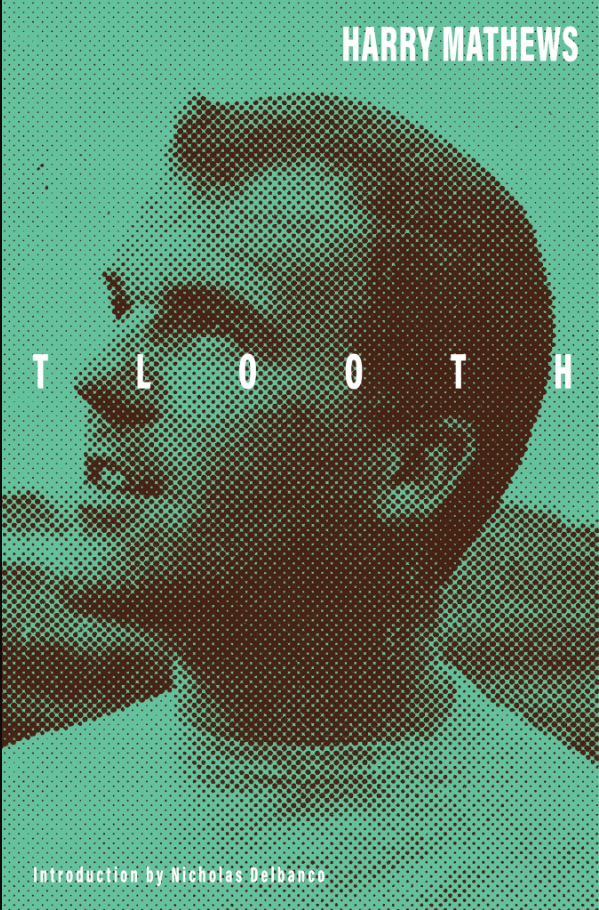
Harry Mathews, Tlooth: Opening on a baseball game in a Siberian prison camp, Harry Mathews’s Tlooth is absurdist from the jump. The narrator, a three-fingered dental assistant who escapes from Russia to find the criminal surgeon who took the other two fingers, treks across half the world—from Kabul to Venice to Milan to India to Morocco to Rome to France—in pursuit of revenge. From page to outrageous page, Mathews constructs a labyrinth of language, rife with the arcane puzzles, mesmerizing digressions, and nested stories that would become hallmarks of his oeuvre.
Harry Mathews was born in New York City in 1930 and spent his adult life in the United States and in France, where he co-founded the influential journal Locus Solus with John Ashbery, Kenneth Koch, and James Schuyler in 1961. He was the first American member of the literary consortium Oulipo, alongside Raymond Queneau, Italo Calvino, and Georges Perec. His many writings, spanning novels, short fiction, poems, essays, and translations from the French, include The Conversions, Tlooth, The Sinking of the Odradek Stadium, Cigarettes, The Journalist, My Life in CIA, and The Solitary Twin. Mathews was honored by the French government as an Officer of the Order of Arts and Letters and earned awards from the American Academy of Arts and Letters and the National Endowment for the Arts. He died in Key West, Florida, in 2017.
Nicholas Delbanco received his BA from Harvard and his MA from Columbia University. He is the Robert Frost Distinguished University Professor Emeritus at the University of Michigan, where he directed the MFA program in creative writing and the Hopwood Awards. An editor and author of more than twenty books, Delbanco has received numerous awards, among them a Guggenheim Fellowship and two Writing Fellowships from the National Endowment for the Arts. His most recent books are Still Life at Eighty, a memoir, and Reprise: The Collected Stories.
Ed Park
Lucy Sante