Fall 2026—Books We Are Reading, Have Read, Recommend, or Want You to Read
Staff picks are available for purchase in our store and online!
Terrence’s Pick
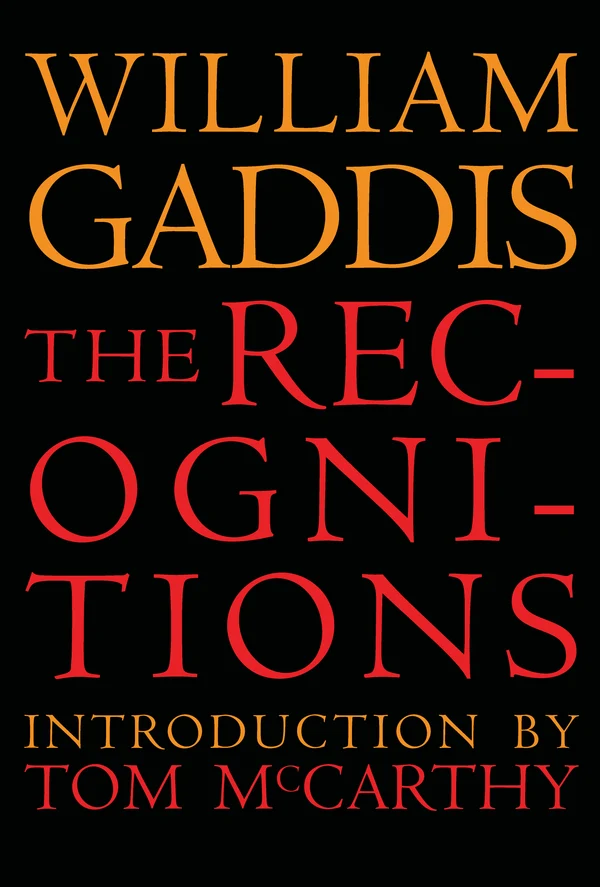
The Recognitions by William Gaddis
William “nothing grew but the business” Gaddis wrote probably one of the funniest satires of NYC, the art market, literary parties, Protestantism, Mithraic cults, Dutch masters, and just about everything else. Long party scenes of unattributed dialogue, but you know exactly who is speaking at all times; and as the parties and forgeries grow in length and complexity and hilarity, nary a plotline is not returned to, nor a joke left without a punchline– you are in the hands of one of the true greats of the 20th century. (P.S we need a reprint of Carpenters’ Gothic ASAP).
Lisa’s Pick
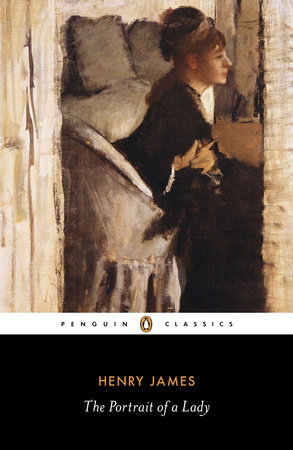
The Portrait of a Lady by Henry James
Portrait of a Lady is Henry James at his long & dense best. It is a novel where not a lot happens and precisely because of that, EVERYTHING does. And once you meet Isabel Archer (a feminist well ahead of her time) she will be yours forever.
The perfect autumn reread.
Will’s Pick
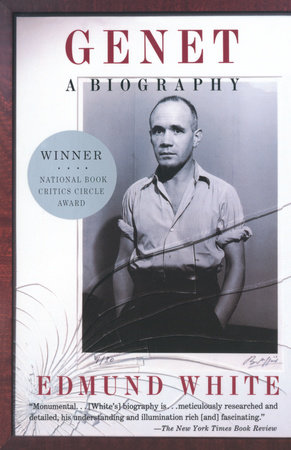
Genet: A Biography by Edmund White
Edmund White’s Genet has everything you could want from a biography: a fascinating subject, scrupulous research, and an elegant style that never falters.
Hayley’s Pick
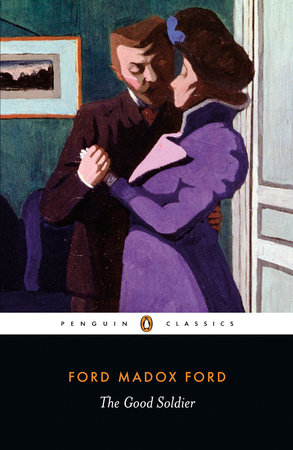
The Good Soldier by Ford Madox Ford
The Good Soldier: A Tale of Passion (or, The Saddest Story) tells of the sickly entanglements of two couples that meet at a German spa town on the eve of World War I. The narration is scattered, self-doubting, and completely consuming. I had forgotten what it felt like to be so drawn into the web of a novel, a real Novel.
Maren’s Pick
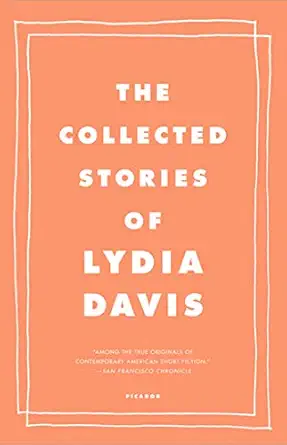
The Collected Stories of Lydia Davis by Lydia Davis
Lydia Davis’ Collected Stories offer over 700 pages of unsettling and fantastically absurd little stories, often presenting situations of entrapment and discomfort that feel endlessly revealing and precise, and full of a poet’s visceral use of sound. I like flipping through them at random like a tarot deck, seeing what story I land on and what it has to tell me. I’ve carried this book with me since my early twenties and can’t imagine a bookshelf without it.
Matthew’s Pick
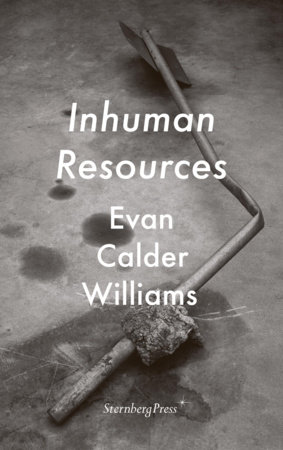
Inhuman Resources by Evan Calder Williams
Evan Calder Williams was a professor of mine in graduate school. His lectures were loquacious and passionate as he weaved meandering lines of inquiry through eclectic topics from architecture to animation, shopping malls to video games. In Inhuman Resources Williams brings that same literary talent and rich trove of resources to the topic of paralysis by way of industrial sabotage, electrical blackouts, Sekiro: Shadows Die Twice, silkworms, architecture, Pasolini, and more.
Williams’ genealogy of paralysis reveals its keystone status as a support for political discourses in the 20th century, and its importance in understanding what is happening today. For anyone interested in critical theory and analyzing how today’s world took shape, this book is not to be missed: “…both as a specific term and as a trope, paralysis has become so central to contemporary thought about politics, war, labor, subjectivity, and infrastructure that it vanishes into ubiquity, discernible only when we start to actively track its repetitions.” (167)